The film and media industry has always been shaped by technological innovation. From the transition to sound and colour to the introduction of digital cameras and computer-generated imagery, advances in technology have consistently expanded the creative possibilities available to filmmakers and content creators. In recent years, one of the most significant developments has been the rise of the virtual production platform. By combining real-time rendering, advanced visualisation tools, virtual environments, and collaborative workflows, these platforms are changing how films, television programmes, commercials, and digital media projects are planned and produced.
Traditional production methods often require a clear separation between pre-production, production, and post-production. While each stage remains important, the boundaries between them are becoming less distinct as virtual production techniques gain wider adoption. A virtual production platform enables creative and technical teams to visualise, test, and refine ideas earlier in the process, helping organisations make more informed decisions while improving efficiency throughout the production lifecycle.
One of the most significant ways a virtual production platform is transforming media production is through real-time visualisation. Historically, filmmakers often needed to imagine how visual effects, digital environments, or complex scenes would appear after extensive post-production work had been completed. Directors and cinematographers frequently relied on concept art, storyboards, and experience to predict the final result.
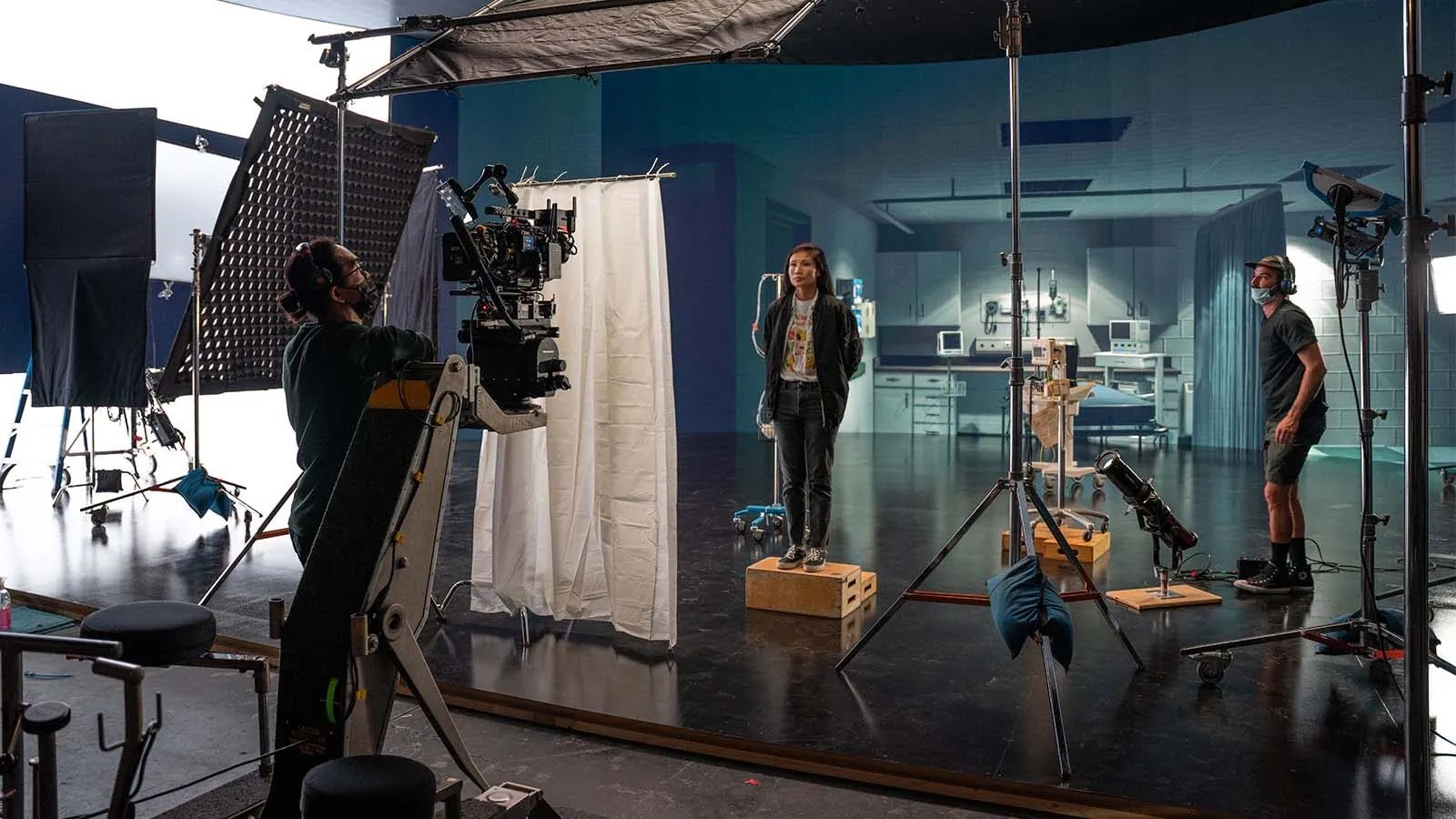
Modern virtual production systems allow teams to view digital environments and visual elements in real time. This capability provides immediate feedback during planning and filming, helping creative teams make adjustments while production is still underway. Rather than waiting weeks or months to evaluate certain creative decisions, stakeholders can review results instantly and refine their approach as needed.
Pre-production has become more efficient as a result of these capabilities. Planning large-scale productions often involves significant uncertainty regarding locations, camera movements, set designs, and visual effects integration. Traditional planning methods may require multiple revisions and extensive coordination before filming begins.
A virtual production platform allows teams to explore ideas within interactive digital environments before physical production starts. Directors, producers, designers, and technical specialists can evaluate scenes, test creative concepts, and identify potential challenges earlier in the process. This visibility helps reduce uncertainty and supports more effective decision-making.
Creative collaboration is another area experiencing significant transformation. Film and media production typically involves numerous specialists working together toward a shared vision. Directors, cinematographers, production designers, visual effects artists, editors, producers, and technical crews all contribute to the final product.
Coordinating these contributors effectively can be challenging, particularly on complex productions. A virtual production platform provides a shared environment where creative and technical teams can collaborate more closely. By working from common visual references and real-time project information, participants gain a clearer understanding of production goals and creative direction.
Communication often improves as a result. Traditional workflows sometimes create gaps between departments because different teams may work with separate tools, timelines, and information sources. Virtual production environments help bridge these gaps by providing a more unified workflow that supports cross-functional collaboration.
Location flexibility represents another major advantage. Traditional productions frequently require travel to multiple filming locations, which can increase costs and create logistical challenges. Weather conditions, permit requirements, accessibility issues, and scheduling constraints can all affect production timelines.
A virtual production platform allows filmmakers to create and interact with digital environments that replicate a wide range of locations. These environments can be adjusted and customised according to creative needs without requiring physical travel. This flexibility expands creative possibilities while helping productions manage logistical complexity more effectively.
Production efficiency has become a key consideration for many studios and content creators. Tight schedules and budget constraints often require teams to maximise productivity without compromising quality. Virtual production technologies support this objective by allowing more work to occur before and during filming rather than waiting until post-production.
By visualising scenes in real time, teams can identify issues earlier and reduce the need for costly revisions later. This proactive approach helps improve resource utilisation while supporting more predictable production schedules.
The relationship between production and post-production is also evolving. Traditionally, many visual elements were added or refined after filming had been completed. While post-production remains an essential part of the workflow, virtual production allows certain creative decisions to be made earlier.
For example, directors and cinematographers can evaluate digital environments, lighting effects, and visual compositions while filming rather than relying solely on later enhancements. This integration creates a more connected workflow and allows creative decisions to be informed by real-time feedback.
Visual consistency is another important benefit. Maintaining a cohesive visual style across complex productions requires careful coordination among multiple departments. Virtual production tools help teams evaluate visual elements within a unified environment, reducing the risk of inconsistencies between different stages of production.
This capability is particularly valuable for projects involving extensive visual effects or digital environments. Creative teams can review how different elements interact within a scene and make adjustments before those inconsistencies become larger challenges.
Budget management is another area where virtual production platforms provide value. Large-scale productions often involve significant investments in locations, sets, travel, equipment, and specialised resources. Unexpected changes or inefficiencies can have substantial financial consequences.
Virtual production supports more informed planning and resource allocation by allowing teams to test ideas before committing to expensive production activities. While the technology itself requires investment, many organisations find that improved efficiency and reduced uncertainty contribute to better overall cost management.
Training and skill development are also benefiting from virtual production technologies. As the industry evolves, creative professionals increasingly need experience working with digital environments, real-time rendering systems, and integrated production workflows.
A virtual production platform provides opportunities for experimentation and learning within controlled environments. Teams can develop new skills, explore innovative techniques, and refine workflows without the risks associated with large-scale production activities.
The growth of remote collaboration has further increased the value of virtual production solutions. Media projects often involve contributors working from different cities, countries, or continents. Coordinating creative decisions across distributed teams can be difficult using traditional workflows alone.
Virtual production platforms support remote participation by providing shared access to project environments and production assets. Team members can review work, contribute feedback, and collaborate on creative decisions regardless of location. This accessibility helps organisations leverage talent more effectively while maintaining project continuity.
Content demand across the entertainment, advertising, and digital media sectors continues to increase. Audiences consume media through a growing number of platforms, creating pressure for organisations to deliver high-quality content more efficiently. Virtual production technologies help address this challenge by streamlining workflows and supporting faster decision-making.
The ability to visualise, refine, and execute creative concepts more effectively provides a competitive advantage in an industry where quality and efficiency are both important. Studios, production companies, and content creators are increasingly recognising the strategic value of these capabilities.
As technology continues to advance, the role of virtual production is likely to expand even further. Improvements in rendering performance, interactive environments, collaboration tools, and workflow integration will continue creating new opportunities for filmmakers and media professionals.
A virtual production platform is transforming modern film and media production by changing how projects are planned, communicated, and executed. Through real-time visualisation, enhanced collaboration, greater flexibility, improved efficiency, and stronger creative control, these platforms are helping organisations rethink traditional production models.
Rather than viewing production stages as isolated activities, virtual production encourages a more connected and collaborative approach. This shift is enabling creative teams to work more effectively while delivering increasingly sophisticated content for audiences around the world. As adoption continues to grow, virtual production is poised to remain one of the most influential innovations shaping the future of media creation.