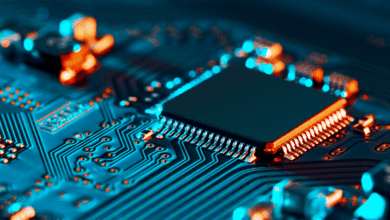
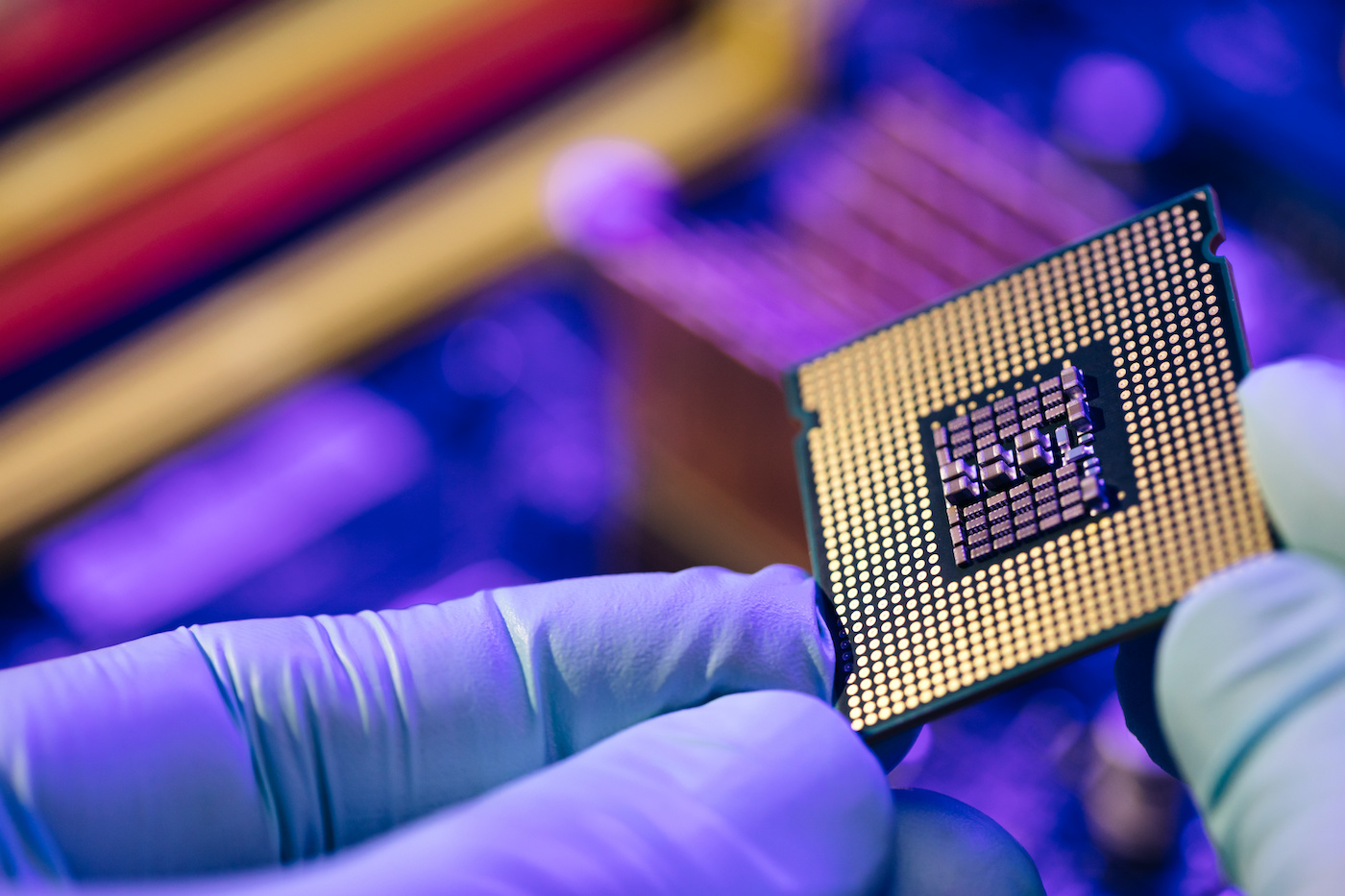
Electronics is the science and engineering discipline that deals with the controlled flow of electrons to design, build, and operate devices that power everyday life. From smartphones and medical equipment to satellites and renewable energy systems, electronics shapes how people communicate, work, and innovate.
What Is Electronics?
Electronics focuses on circuits that use components such as resistors, capacitors, diodes, and transistors to process electrical signals. Unlike basic electrical systems that mainly distribute power, electronics emphasizes information processing, control, and automation.
At its core, electronics enables devices to:
-
Sense the environment
-
Process data
-
Make decisions
-
Perform actions with precision
Core Components of Electronic Systems
Modern electronic systems rely on carefully integrated components that work together seamlessly.
Active Components
Active components control the flow of current and amplify signals.
-
Transistors – the fundamental building blocks of modern electronics
-
Integrated Circuits (ICs) – compact chips containing millions or billions of transistors
Passive Components
Passive elements support circuit operation without amplifying signals.
-
Resistors – manage current flow
-
Capacitors – store and release electrical energy
-
Inductors – regulate current changes
Power Sources
Every electronic device requires stable power.
-
Batteries
-
Power supplies
-
Energy-harvesting systems
Major Branches of Electronics
Electronics is a broad field with specialized domains, each serving unique purposes.
Analog Electronics
Deals with continuous signals, commonly used in audio equipment, radio systems, and sensors.
Digital Electronics
Uses binary signals (0s and 1s) to process information, forming the foundation of computers, smartphones, and embedded systems.
Power Electronics
Focuses on converting and controlling electrical power efficiently, essential for:
-
Electric vehicles
-
Solar inverters
-
Industrial motor drives
Consumer Electronics
Encompasses everyday devices designed for personal use, emphasizing usability and compact design.
Applications of Electronics in Daily Life
Electronics influences nearly every sector of society.
-
Communication – smartphones, satellites, wireless networks
-
Healthcare – diagnostic imaging, wearable monitors, life-support systems
-
Transportation – vehicle control units, navigation, safety systems
-
Industry – automation, robotics, and process control
-
Energy – smart grids, renewable energy management
Trends Shaping the Future of Electronics
The electronics industry evolves rapidly, driven by innovation and global demand.
-
Miniaturization – smaller, faster, and more powerful components
-
Internet of Things (IoT) – interconnected smart devices
-
Artificial Intelligence hardware – specialized chips for machine learning
-
Flexible and wearable electronics – bendable circuits for new form factors
-
Sustainable electronics – energy-efficient designs and eco-friendly materials
Why Electronics Matters More Than Ever
Electronics is not just a technical field—it is a key driver of economic growth and technological progress. As societies move toward automation, smart infrastructure, and digital healthcare, the role of electronics becomes increasingly critical.
Engineers and innovators in this field continue to push boundaries, making technology faster, safer, and more accessible worldwide.
Frequently Asked Questions (FAQs)
1. What is the difference between electrical and electronics engineering?
Electrical engineering mainly focuses on power generation and distribution, while electronics engineering deals with signal processing, control systems, and device design.
2. Are electronics and computer engineering the same?
No. Electronics focuses on circuits and hardware, while computer engineering combines electronics with computer science to build computing systems.
3. Why are semiconductors important in electronics?
Semiconductors enable precise control of electrical current, making modern chips, processors, and memory devices possible.
4. What skills are essential to learn electronics?
Key skills include circuit analysis, basic programming, understanding components, and problem-solving.
5. How does electronics support renewable energy?
Electronics controls energy conversion, storage, and distribution in solar panels, wind turbines, and smart grids.
6. Is electronics a good career choice?
Yes. Electronics offers diverse career opportunities in technology, healthcare, automotive, aerospace, and energy sectors.
7. How long does it take to learn basic electronics?
Basic concepts can be learned in a few months, while advanced expertise develops through continuous study and hands-on experience.