Introduction
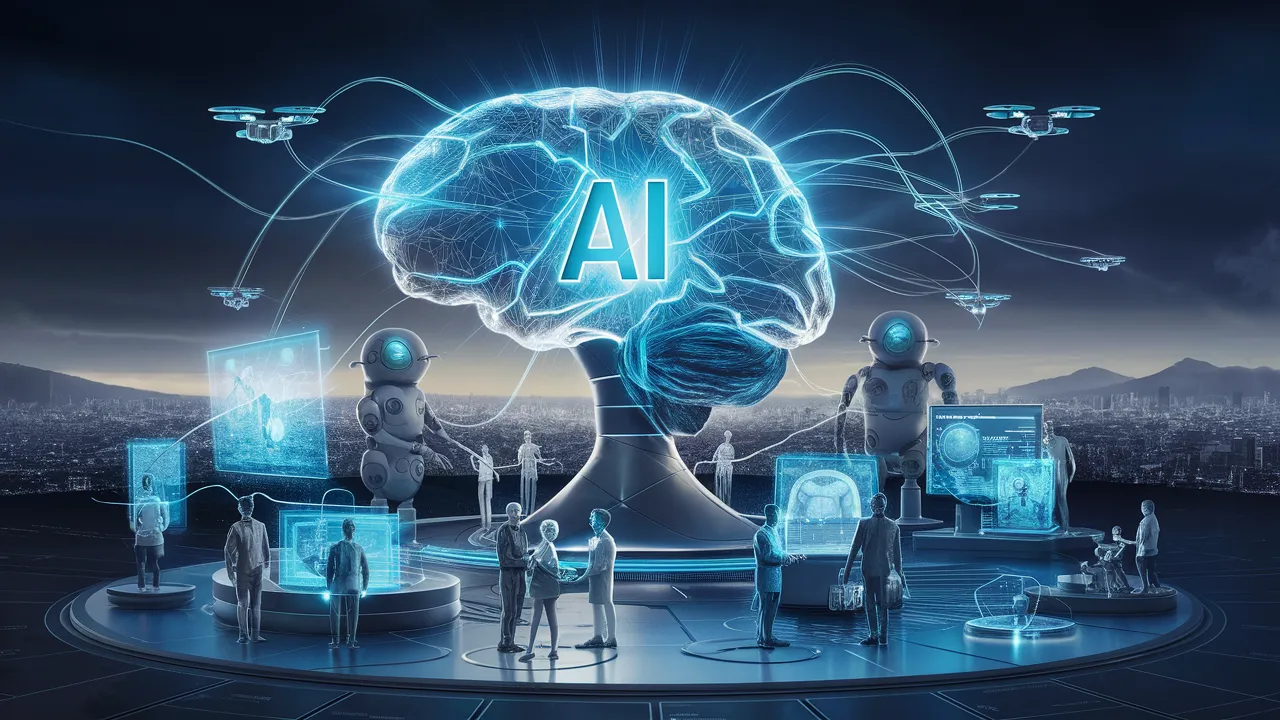
Technology has always evolved in waves, but artificial intelligence (AI) represents a turning point unlike any before. No longer limited to research labs or science fiction, AI now powers tools and systems people interact with daily. From personalized recommendations to intelligent automation, AI is quietly redefining how modern society functions.
What Is Artificial Intelligence?
Artificial intelligence refers to computer systems designed to perform tasks that typically require human intelligence. These tasks include learning, reasoning, problem-solving, and understanding language.
Core Components of AI
-
Machine Learning (ML): Enables systems to learn from data and improve over time
-
Natural Language Processing (NLP): Allows machines to understand and respond to human language
-
Computer Vision: Helps systems interpret images and visual data
-
Automation Algorithms: Drive decision-making without constant human input
AI in Everyday Life
AI has become deeply integrated into daily routines, often without users realizing it.
Smart Homes and Personal Devices
AI-powered assistants and smart devices simplify daily tasks by learning user preferences and automating routines.
Key benefits include:
-
Voice-controlled home management
-
Energy-efficient systems
-
Personalized reminders and schedules
Healthcare and Medical Technology
AI is playing a crucial role in improving patient care and diagnostic accuracy.
-
Early disease detection through data analysis
-
Virtual health assistants for patient support
-
Predictive analytics for treatment planning
AI in Business and the Workplace
Organizations across industries are adopting AI to increase efficiency and gain insights from data.
Automation and Productivity
AI-driven tools handle repetitive tasks, allowing employees to focus on creative and strategic work.
-
Automated customer support systems
-
Intelligent data analysis
-
Workflow optimization
Smarter Decision-Making
By analyzing large datasets, AI helps businesses make faster and more informed decisions, reducing risk and improving outcomes.
Education and Learning in the AI Era
The education sector is undergoing a significant transformation as AI introduces personalized learning experiences.
Personalized Learning Paths
AI adapts educational content based on individual performance, learning pace, and preferences.
-
Adaptive assessments
-
Real-time feedback
-
Intelligent tutoring systems
Ethical Challenges and Responsible AI
While AI offers enormous potential, it also raises important ethical concerns.
Key Issues to Address
-
Data privacy and security
-
Algorithmic bias
-
Transparency in decision-making
-
Impact on employment
Addressing these challenges is essential to ensure AI development remains fair, secure, and beneficial to society.
What the Future Holds for AI Technology
As AI continues to evolve, its role will expand across industries and personal life. Future advancements are expected to focus on collaboration between humans and intelligent systems rather than full replacement.
Emerging trends include:
-
Explainable AI for better trust
-
Human-centric design
-
Stronger regulations and ethical frameworks
Conclusion
Artificial intelligence is no longer a distant concept—it is a core part of modern technology. Its influence on daily life, business, healthcare, and education will only grow in the coming years. By embracing innovation responsibly, society can unlock AI’s full potential while minimizing its risks.
Frequently Asked Questions (FAQs)
1. How does artificial intelligence differ from traditional software?
Traditional software follows predefined rules, while AI systems learn from data and adapt their behavior over time.
2. Is artificial intelligence safe to use in daily life?
When developed responsibly with proper safeguards, AI can be both safe and highly beneficial for everyday use.
3. Can AI replace human jobs completely?
AI is more likely to transform jobs rather than replace them entirely, creating new roles alongside automation.
4. How does AI improve personalization in technology?
AI analyzes user behavior and preferences to deliver tailored content, recommendations, and experiences.
5. What skills are important in an AI-driven future?
Critical thinking, creativity, data literacy, and adaptability will be essential skills in an AI-powered world.
6. Does AI require large amounts of data to function?
Most AI systems rely on data to learn effectively, but advancements are being made to reduce data dependency.
7. How can individuals prepare for increased AI adoption?
Staying informed, learning basic digital skills, and understanding ethical considerations are key steps toward readiness.