Beyond Visual Line of Sight: Understanding Sonoran Desert Institute Cost in a BVLOS-Driven Drone Delivery Market

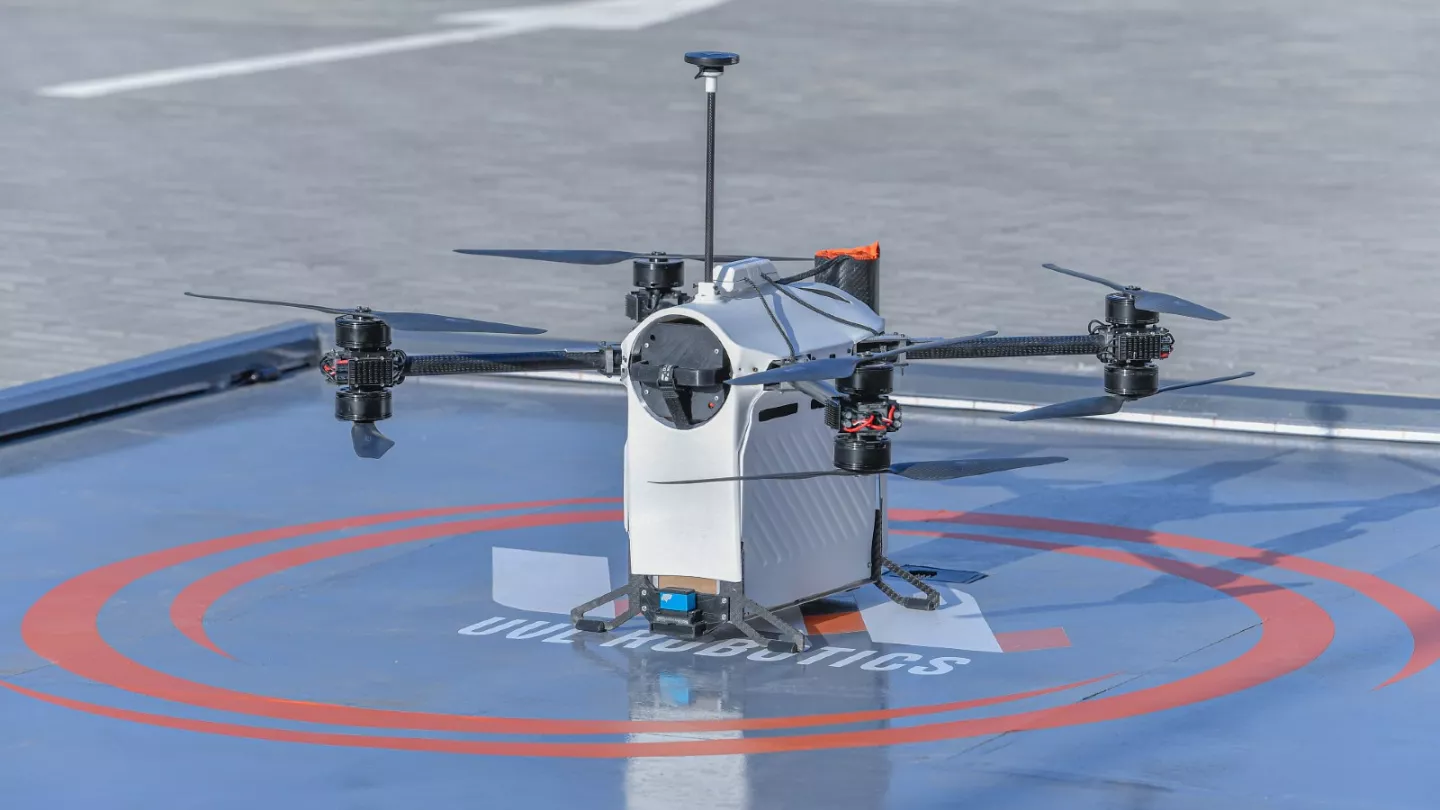
What does the Sonoran Desert Institute cost for students preparing to work in regulated aviation and drone logistics fields? The ability to fly Beyond Visual Line of Sight (BVLOS) has become the primary gatekeeper for scale. Federal aviation authorities treat BVLOS approval as a regulatory threshold that separates limited service from coordinated, repeatable delivery networks shaped by documentation, systems oversight, and long-term operational planning. The Sonoran Desert Institute (SDI), accredited by the Distance Education Accrediting Commission (DEAC), recognizes how BVLOS authority influences workforce demand as aviation-grade expectations extend to small delivery aircraft. Distance, rather than payload size, now defines growth potential, tying regulatory approval directly to cost modeling, staffing structures, and education planning.
Aircraft capable of flying miles from their launch point require oversight systems that replace human eyesight with sensors, data links, and documented procedures. Federal aviation authorities approach BVLOS cautiously, recognizing that the same risks present in crewed aviation exist at lower altitudes where delivery aircraft operate. Approval hinges on proof that operators can detect hazards, avoid conflicts, and respond to failures without relying on visual contact from the ground.
Why BVLOS Defines Delivery Scale
Under standard commercial rules, pilots are required to maintain visual contact with the aircraft at all times. This requirement limits range and forces operators to position personnel along routes or accept short delivery distances. For parcel delivery, those constraints undermine efficiency. Routes must remain close to launch sites, and aircraft return empty once they are out of sight.
BVLOS approval removes the ceiling. Operators can plan point-to-point routes that connect warehouses to neighborhoods miles away. One pilot may supervise several aircraft through a control station, allowing fleets to cover broader service areas. This shift marks the difference between experimental service and repeatable logistics.
Detect-And-Avoid Systems Replace Eyesight
At the center of BVLOS approval sits detect-and-avoid technology. Aircraft must be able to sense other air traffic, obstacles, and unexpected hazards with sufficient range to react safely. Operators rely on onboard radar, optical sensors, or fused systems that scan hundreds of meters ahead.
These sensors feed autopilot software that assesses collision risk and selects a response. Options include lateral deviation, altitude change, or maintaining the current position until the airspace clears. Each maneuver is logged, creating a record for post-flight review and analysis. Regulators examine these logs during audits, much like flight data recorders are used in crewed aviation.
Safety Cases and Documented Controls
BVLOS approval relies less on promises and more on documentation. Operators submit safety cases that outline hazards, mitigation strategies, and operational limits. These documents outline acceptable wind speeds, visibility thresholds, and response procedures in the event of lost communication or sensor failure.
Redundant command and control links form a core requirement. Aircraft maintains primary and backup connections, often using separate networks. If one link fails, the other sustains control long enough for a safe landing or return. Safety cases describe these transitions in detail, including timing and authority for handoff.
Workforce Preparation Meets Regulatory Demand
BVLOS operations require personnel who can manage systems rather than manually fly aircraft. Pilots oversee dashboards that display aircraft health, airspace conflicts, and weather inputs. Technicians maintain sensors, antennas, and software that enable remote situational awareness. These roles demand familiarity with regulatory documentation, data interpretation, and operational thresholds defined in safety cases.
Education planning increasingly reflects these requirements. Students researching aviation-aligned training evaluate how coursework addresses regulation, systems integration, and risk management tied to BVLOS environments. Sonoran Desert Institute cost often becomes part of this evaluation as learners compare online programs structured around regulated aviation roles rather than recreational flight. Programs that incorporate simulated scenarios—such as lost-link events, traffic conflicts, and weather-driven holds—help prepare students for the operational realities reviewed during regulatory audits and authorization processes.
Traffic Management and Shared Airspace
BVLOS approval does not exist in isolation. Aircraft operate within shared low-altitude corridors where multiple fleets may overlap. Uncrewed traffic management networks collect flight declarations and remote identification broadcasts, providing situational awareness beyond line of sight.
These systems alert operators to potential conflicts and recommend separation strategies. Aircraft responds autonomously or with human approval, depending on authority levels defined in safety cases. Every action is recorded, reinforcing accountability.
Data security underpins trust in these networks. Encrypted telemetry and regular key rotation protect against interference that could mislead traffic management services, ensuring accurate data transmission and integrity. Regulators review these practices as part of BVLOS authorization, recognizing that digital integrity supports physical safety.
Community And Environmental Considerations
Flying beyond visual range raises concerns within the community. Residents may not be aware of nearby pilots, which can increase sensitivity to noise and raise privacy concerns. Operators address these issues through design and policy. Propeller geometry and flight profiles minimize perceived noise, while camera systems restrict data collection to operational requirements.
Transparency aids acceptance. Published service maps and complaint channels allow residents to understand where and why flights occur. Early outreach reduces friction and supports smoother BVLOS deployment in populated areas. Weather constraints also shape operations. Wind, heat, and precipitation affect sensor performance and aircraft stability. Dispatch systems integrate aviation weather feeds and impose automatic holds when conditions exceed defined limits. These thresholds appear in safety cases reviewed during BVLOS approval.
The Gate That Shapes the Market
BVLOS authority serves as the regulatory gate for distinguishing between limited trials and scalable delivery. Approval signals that operators can manage risk without relying on direct human sight. For logistics firms, it unlocks route planning that supports predictable service. For workers, it defines the skills required to enter the field.
Education choices align with this reality. Programs that address regulation, systems thinking, and operational discipline prepare students for environments shaped by BVLOS oversight. Sonoran Desert Institute cost considerations align with broader planning for careers tied to certified operations, rather than casual flight. Drone delivery growth depends less on aircraft speed or payload than on permission to fly beyond sight with confidence. As regulators continue to review safety cases and technology performance, BVLOS remains the key factor in determining the commercial viability of these operations. The path forward favors operators and professionals prepared to meet aviation-grade expectations in a sky shared by many users.