Design & Development: Building Digital Experiences That Perform
 Lina Billy
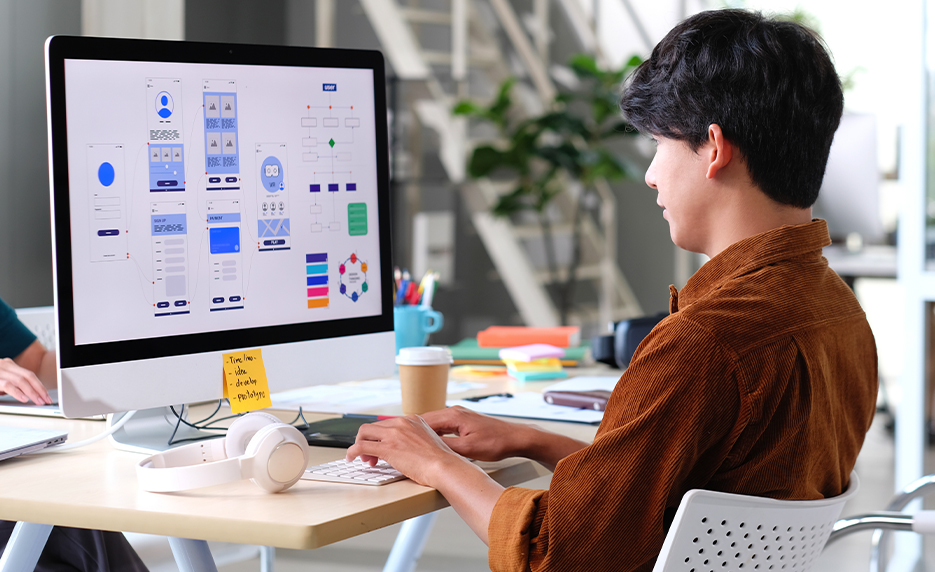
Design and development form the backbone of every successful digital product. From visually engaging interfaces to robust backend systems, the synergy between these two disciplines determines how users experience, trust, and interact with a brand online. In a competitive digital landscape, thoughtful design combined with scalable development is no longer optional—it is essential.
Understanding Design & Development
Design and development are closely linked yet distinct processes that work together to transform ideas into functional digital solutions.
Design focuses on aesthetics, usability, and user experience.
Development brings those designs to life through clean, efficient, and secure code.
When aligned correctly, they produce products that are both visually compelling and technically sound.
The Role of Design in Digital Products
Design goes far beyond appearance. It shapes how users perceive and navigate a digital product.
Key Elements of Effective Design
-
User Interface (UI): Visual components such as layout, typography, colors, and buttons
-
User Experience (UX): How easily and intuitively users achieve their goals
-
Accessibility: Inclusive design that supports diverse users and devices
-
Brand Consistency: Visual identity aligned with business values
A strong design builds trust, reduces friction, and encourages engagement.
The Development Process Explained
Development is the technical execution that turns design concepts into working applications or websites.
Core Development Layers
-
Frontend Development: What users interact with directly (HTML, CSS, JavaScript)
-
Backend Development: Server-side logic, databases, and APIs
-
Performance Optimization: Speed, responsiveness, and scalability
-
Security Implementation: Protecting data and user privacy
High-quality development ensures reliability, speed, and long-term maintainability.
Why Design and Development Must Work Together
Treating design and development as isolated stages often leads to inefficiencies. Collaboration from the start reduces rework and improves outcomes.
Benefits of Integrated Design & Development
-
Faster project timelines
-
Fewer usability issues after launch
-
Improved product consistency
-
Easier scaling and updates
When designers and developers collaborate early, the final product aligns better with user needs and business goals.
Modern Trends Shaping Design & Development
The field continues to evolve with new tools, technologies, and user expectations.
Notable Industry Trends
-
Mobile-first design for better cross-device experiences
-
Component-based development for reusable UI elements
-
Design systems to maintain consistency at scale
-
Performance-focused development emphasizing speed and efficiency
-
Human-centered design driven by user behavior data
Staying current with these trends helps teams build future-ready digital products.
Choosing the Right Design & Development Approach
Every project has unique requirements. Selecting the right approach depends on scope, budget, and long-term goals.
Common Approaches
-
Custom design and development for tailored solutions
-
Agile workflows for flexibility and iterative improvement
-
MVP-focused builds to test ideas quickly
-
Scalable architectures to support future growth
A strategic approach ensures better return on investment and smoother evolution over time.
Measuring Success in Design & Development
Success isn’t just about launch—it’s about performance over time.
Key Metrics to Track
-
User engagement and retention
-
Page speed and load time
-
Conversion rates
-
Error rates and system stability
-
User feedback and satisfaction
Continuous improvement based on real data keeps products relevant and effective.
Frequently Asked Questions
What is the difference between design and development?
Design focuses on visual layout and user experience, while development handles coding, functionality, and system logic.
Why is user experience important in design?
User experience determines how easily users can navigate and interact with a product, directly impacting engagement and conversions.
How long does a typical design and development project take?
Timelines vary by complexity, but most projects range from a few weeks to several months.
Can development start before design is complete?
Yes, with collaborative planning, development can begin alongside design using wireframes and iterative updates.
How do modern frameworks impact development?
They speed up development, improve performance, and make applications easier to maintain and scale.
What role does testing play in development?
Testing ensures functionality, security, and performance before and after launch.
How often should design and development be updated?
Regular updates are recommended to improve usability, address security concerns, and adapt to changing user needs.
Lina Billy