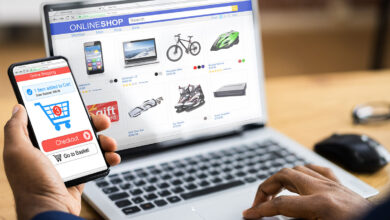
E-commerce, short for electronic commerce, refers to the buying and selling of goods or services through digital platforms. Over the past two decades, it has reshaped how businesses operate and how consumers shop, making convenience, speed, and global access standard expectations rather than luxuries.
From small startups to global enterprises, e-commerce has become a core growth engine in the digital economy.
What Is E-Commerce?
E-commerce involves commercial transactions conducted over the internet using websites, mobile apps, or online marketplaces. These transactions are supported by digital tools such as payment gateways, logistics systems, customer relationship management platforms, and data analytics.
At its core, e-commerce enables businesses to:
- Reach customers beyond geographical boundaries
- Operate 24/7 without physical limitations
- Reduce overhead costs compared to traditional retail
Types of E-Commerce Models
Different business needs and customer bases have given rise to multiple e-commerce models. Each serves a distinct purpose in the online ecosystem.
Business to Consumer (B2C)
This is the most common model, where businesses sell products or services directly to individual customers. Examples include online retail stores, subscription platforms, and digital service providers.
Business to Business (B2B)
In this model, companies sell to other businesses. Transactions often involve bulk orders, long-term contracts, and customized pricing.
Consumer to Consumer (C2C)
C2C platforms allow individuals to sell products or services to other individuals, often facilitated by a third-party marketplace.
Consumer to Business (C2B)
Here, individuals offer value to businesses, such as freelancers providing services or influencers promoting products.
Key Components of a Successful E-Commerce Store
A high-performing e-commerce platform is built on more than just products. It relies on a combination of technology, strategy, and user experience.
Essential components include:
- User-friendly website design with clear navigation
- Secure payment systems supporting multiple payment methods
- Product management tools for inventory and pricing
- Reliable logistics and fulfillment processes
- Customer support channels such as chat, email, or help desks
Benefits of E-Commerce for Businesses
E-commerce offers advantages that traditional commerce struggles to match in today’s fast-paced market.
Major benefits include:
- Global reach without opening physical locations
- Lower operational costs and scalable infrastructure
- Data-driven insights into customer behavior
- Personalized marketing through automation and analytics
- Faster go-to-market for new products
These benefits allow even small businesses to compete with established brands.
Challenges in E-Commerce
Despite its advantages, e-commerce is not without challenges. Businesses must actively manage risks to remain competitive and trustworthy.
Common challenges include:
- Cybersecurity threats and data privacy concerns
- High customer acquisition costs in competitive markets
- Managing returns and reverse logistics
- Maintaining consistent customer experience across devices
- Building trust without face-to-face interaction
Addressing these challenges requires continuous optimization and investment in technology.
Emerging Trends Shaping the Future of E-Commerce
E-commerce continues to evolve as consumer behavior and technology advance. Staying aware of trends helps businesses remain relevant.
Notable trends include:
- Mobile commerce driven by smartphone usage
- Social commerce through integrated shopping on social platforms
- AI-powered personalization for product recommendations
- Voice search and smart assistants influencing purchases
- Sustainable and ethical e-commerce practices
These trends highlight a shift toward more personalized, immersive, and responsible online shopping experiences.
Conclusion
E-commerce is no longer an optional sales channel—it is a strategic necessity. As digital adoption grows worldwide, businesses that invest in scalable platforms, customer-centric design, and data-driven decision-making are better positioned for long-term success.
Whether serving local customers or global markets, e-commerce empowers businesses to grow faster, operate smarter, and adapt more easily to changing consumer expectations.
Frequently Asked Questions (FAQs)
1. Is e-commerce suitable for small businesses?
Yes, e-commerce is highly suitable for small businesses because it requires lower startup costs and allows access to a global customer base.
2. How long does it take to launch an e-commerce store?
The timeline varies, but a basic store can be launched within a few weeks, while more complex platforms may take several months.
3. What payment methods should an e-commerce site offer?
Offering multiple options such as credit cards, digital wallets, and bank transfers improves customer trust and conversion rates.
4. How important is mobile optimization in e-commerce?
Mobile optimization is critical, as a large portion of online shoppers browse and purchase using smartphones.
5. Can e-commerce work without holding inventory?
Yes, models like dropshipping and print-on-demand allow businesses to sell products without managing inventory.
6. How does e-commerce improve customer insights?
E-commerce platforms collect data on browsing behavior, purchases, and preferences, enabling better personalization and marketing strategies.
7. What skills are essential for managing an e-commerce business?
Key skills include digital marketing, data analysis, customer service management, and basic technical understanding of online platforms.