Search Engine Optimization (SEO) is the process of improving a website’s visibility on search engines like Google, Bing, and others. When done correctly, SEO helps your content appear higher in search results, attracts qualified traffic, and builds long-term digital authority without relying solely on paid ads.
This guide explains SEO in a clear, practical way—covering how it works, why it matters, and how to apply it effectively in today’s evolving search landscape.
What Is SEO?
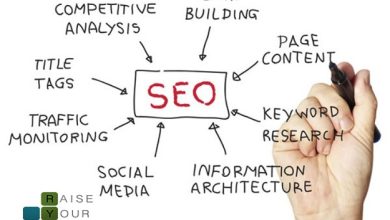
SEO focuses on aligning your website with search engine ranking factors so it becomes easier for users to find relevant content. It combines technical improvements, content optimization, and authority-building strategies to increase organic (non-paid) traffic.
At its core, SEO answers one question: How can my page best satisfy a user’s search intent?
Why SEO Is Important
SEO is no longer optional for online success. It plays a critical role in visibility, trust, and revenue growth.
Key benefits of SEO include:
-
Higher organic traffic with long-term value
-
Improved brand credibility through top rankings
-
Better user experience across devices
-
Cost efficiency compared to paid advertising
-
Sustainable growth even when ad budgets fluctuate
Websites that invest in SEO consistently outperform those that rely only on short-term marketing tactics.
How Search Engines Work
Search engines follow a three-step process to deliver results:
Crawling
Bots scan the web to discover new and updated pages by following links.
Indexing
Collected pages are analyzed and stored in massive databases based on content, structure, and relevance.
Ranking
Algorithms evaluate indexed pages and rank them according to hundreds of signals, such as relevance, authority, and usability.
Understanding this process helps you optimize content in ways search engines can easily interpret.
Core Types of SEO
SEO is not a single tactic—it’s a combination of interconnected strategies.
On-Page SEO
On-page SEO focuses on optimizing individual pages for relevance and clarity.
Important on-page elements:
-
Keyword-optimized titles and headings
-
High-quality, original content
-
Internal linking structure
-
Optimized images and alt text
-
Clear URL structure
Strong on-page SEO ensures both users and search engines understand your content.
Technical SEO
Technical SEO improves how search engines access and interpret your site.
Key technical factors include:
-
Site speed and performance
-
Mobile responsiveness
-
Secure HTTPS protocol
-
Crawlability and indexation
-
Structured data (schema markup)
Without solid technical SEO, even great content can struggle to rank.
Off-Page SEO
Off-page SEO focuses on building authority and trust outside your website.
Common off-page strategies:
-
Earning high-quality backlinks
-
Brand mentions across the web
-
Digital PR and outreach
-
Social visibility and engagement
Search engines view strong off-page signals as indicators of credibility.
Keyword Research: The Foundation of SEO
Keyword research identifies the exact phrases users type into search engines. Targeting the right keywords ensures your content matches real demand.
Effective keyword research involves:
-
Understanding search intent (informational, navigational, transactional)
-
Analyzing competition and ranking difficulty
-
Finding long-tail keywords with clear intent
-
Mapping keywords to relevant pages
Choosing the right keywords can make the difference between traffic growth and invisibility.
Content and SEO: A Strategic Relationship
Content is the backbone of SEO success. Search engines prioritize content that is helpful, accurate, and user-focused.
SEO-friendly content should be:
-
Written for humans, not algorithms
-
Structured with clear headings
-
Comprehensive without unnecessary fluff
-
Regularly updated for accuracy
-
Optimized for readability and engagement
High-quality content naturally earns links, shares, and repeat visitors.
SEO Trends Shaping the Future
SEO continues to evolve alongside technology and user behavior.
Key trends influencing modern SEO:
-
AI-powered search results and summaries
-
Emphasis on experience, expertise, authority, and trust
-
Voice and conversational search optimization
-
Mobile-first indexing
-
User engagement metrics impacting rankings
Staying adaptable is essential for long-term SEO performance.
Measuring SEO Success
SEO is data-driven. Tracking performance helps you refine strategies and prove ROI.
Common SEO metrics include:
-
Organic traffic growth
-
Keyword ranking positions
-
Click-through rate (CTR)
-
Bounce rate and engagement
-
Conversions from organic search
Consistent measurement turns SEO into a predictable growth channel.
Frequently Asked Questions (FAQs)
What is the difference between SEO and paid search?
SEO focuses on organic rankings, while paid search involves advertising to appear in sponsored results.
How long does SEO take to show results?
SEO typically takes several weeks to months, depending on competition, site authority, and strategy quality.
Is SEO still relevant with AI-powered search?
Yes, SEO remains essential as AI still relies on structured, authoritative content to generate results.
Can small businesses benefit from SEO?
Absolutely. Local and niche SEO strategies help small businesses compete effectively online.
How often should SEO content be updated?
Content should be reviewed regularly and updated when information becomes outdated or search intent changes.
What is search intent in SEO?
Search intent refers to the reason behind a user’s query, such as learning, buying, or comparing options.
Do social media signals affect SEO rankings?
Social media does not directly impact rankings but can increase visibility, traffic, and backlink opportunities.