Android is a powerful, flexible, and widely used mobile operating system that runs on billions of devices worldwide. From smartphones and tablets to TVs, cars, and smartwatches, Android has evolved into a complete digital ecosystem that adapts to different user needs and lifestyles.
Developed with openness and innovation in mind, Android gives users more control over their devices while offering developers a massive platform to build and distribute apps globally.
What Is Android?
Android is an open-source operating system primarily designed for touch-based devices. It is based on a modified version of the Linux kernel and is maintained by Google along with the Open Handset Alliance.
Unlike closed ecosystems, Android allows manufacturers and users to customize both hardware and software, which is one of the key reasons for its global dominance.
Key Characteristics of Android
-
Open-source foundation that encourages innovation
-
Highly customizable interface for users and manufacturers
-
Wide device compatibility across brands and price ranges
-
Strong app ecosystem with millions of applications
A Brief History of Android
Android began as a startup in 2003 and was later acquired by Google in 2005. The first commercial Android device launched in 2008, and since then, the platform has seen rapid growth through yearly updates and feature enhancements.
Each major Android release traditionally introduced improvements in performance, security, and user experience, helping the platform stay competitive in a fast-moving tech landscape.
How Android Works
Android acts as a bridge between hardware components and user-facing applications. It manages system resources such as memory, battery, and processing power while ensuring apps run smoothly and securely.
Core Components of Android
-
Linux Kernel – Handles low-level hardware interactions
-
Android Runtime (ART) – Executes apps efficiently
-
Application Framework – Provides APIs for developers
-
System Apps – Built-in tools like Phone, Messages, and Settings
Android Features That Stand Out
Android is known for features that prioritize freedom, productivity, and personalization.
Customization and Personalization
Users can tailor their experience through:
-
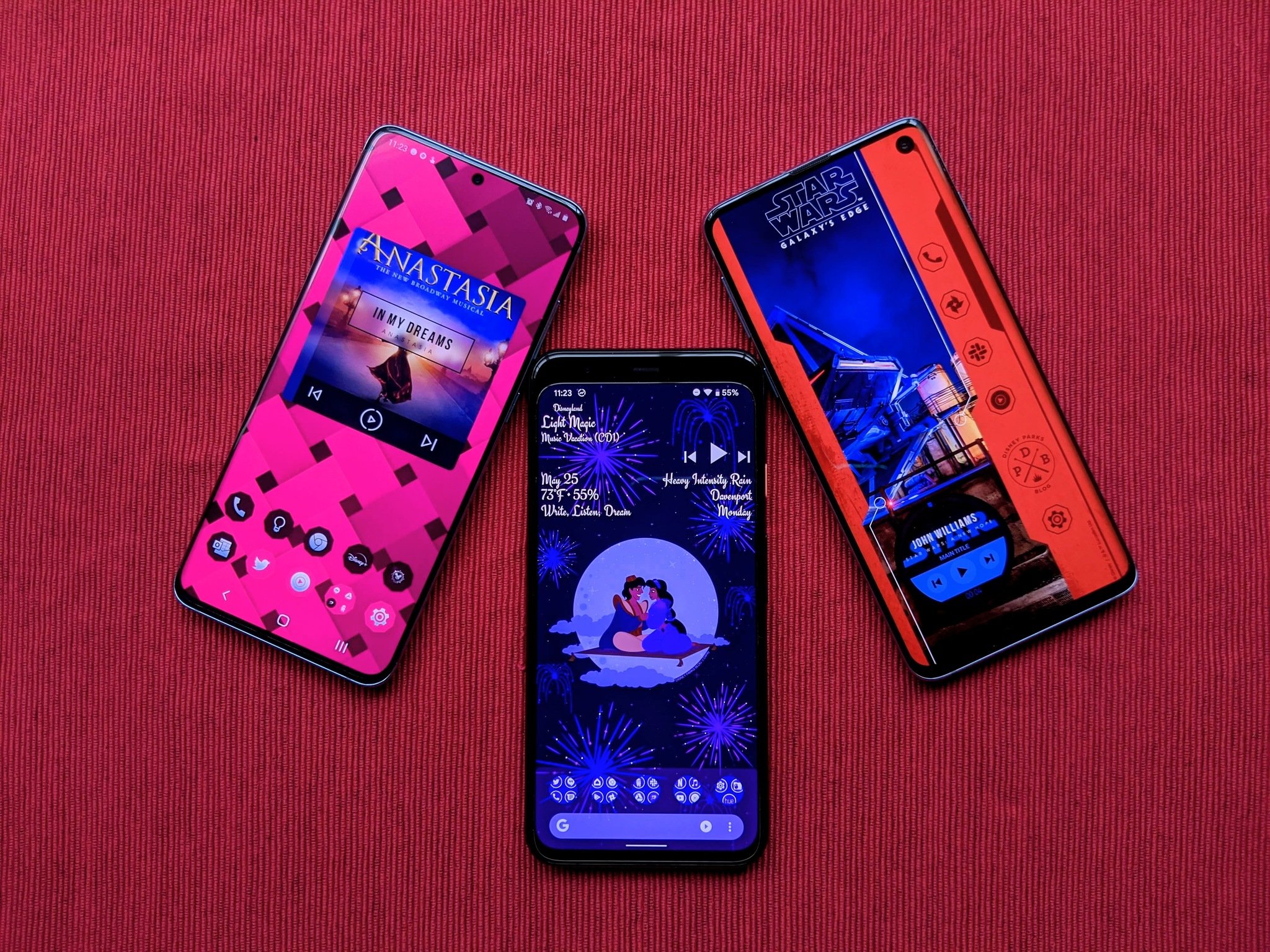
Home screen widgets
-
Custom launchers
-
Icon packs and themes
-
Always-on display options
Security and Privacy
Modern Android versions include robust protections such as:
-
App permission controls
-
Biometric authentication (fingerprint and face unlock)
-
Google Play Protect for malware detection
-
Regular security patches
The Android App Ecosystem
The Android platform supports millions of apps across categories like productivity, entertainment, education, and health. Developers primarily use Kotlin and Java to build Android applications, ensuring performance and scalability.
Why Developers Choose Android
-
Massive global user base
-
Flexible development tools
-
Multiple app monetization options
-
Support for various device types
Android vs Other Mobile Operating Systems
Android stands apart due to its openness and adaptability. While some platforms emphasize tight control and uniformity, Android thrives on diversity, offering:
-
More device choices
-
Greater customization freedom
-
Easier integration with third-party services
This approach makes Android appealing to both tech enthusiasts and everyday users.
The Future of Android
Android continues to expand beyond smartphones. Its presence in wearables, automobiles, smart TVs, and IoT devices signals a future where Android plays a central role in connected living.
With ongoing advancements in artificial intelligence, privacy controls, and cross-device experiences, Android is positioned to remain a dominant force in the tech industry.
Frequently Asked Questions (FAQ)
1. Is Android completely free to use?
Android itself is open-source and free, but some services and apps provided by manufacturers or Google may require payment.
2. Can Android run on devices other than smartphones?
Yes, Android powers tablets, smart TVs, cars, wearables, and even some laptops.
3. How often does Android receive updates?
Major Android updates are released annually, while security updates are provided regularly, depending on the device manufacturer.
4. Is Android safe for personal and financial data?
Yes, Android includes advanced security features, but users should keep devices updated and download apps only from trusted sources.
5. What makes Android different from other operating systems?
Android offers greater customization, broader device compatibility, and an open development environment.
6. Can Android be customized without technical knowledge?
Absolutely. Many customization options like widgets, themes, and settings are user-friendly and require no technical expertise.
7. Does Android support multitasking?
Yes, Android supports split-screen mode, floating windows, and background app management for efficient multitasking.