
E-commerce has reshaped how people discover, compare, and purchase products. What began as a niche way to sell books and software is now a global engine powering retail, services, and even subscriptions. From small home-based brands to multinational marketplaces, online commerce has become a core business channel rather than an optional add-on.
What Is E-Commerce?
E-commerce refers to the buying and selling of goods or services through digital platforms, primarily websites and mobile applications. It covers the entire transaction lifecycle, including product discovery, online payments, order fulfillment, and post-purchase support.
Unlike traditional retail, e-commerce removes geographic limits, allowing businesses to reach customers across cities, countries, and continents with minimal physical infrastructure.
Types of E-Commerce Models
Different e-commerce models serve different markets and customer needs. The most common ones include:
- B2C (Business to Consumer): Companies sell directly to individual customers
- B2B (Business to Business): Transactions between businesses, often in bulk
- C2C (Consumer to Consumer): Individuals sell to other individuals via platforms
- D2C (Direct to Consumer): Brands sell directly without intermediaries
Each model has its own pricing strategies, marketing approaches, and operational challenges.
How E-Commerce Works
At its core, e-commerce follows a structured digital flow:
- Customers browse products on an online store or marketplace
- Items are added to a virtual shopping cart
- Secure digital payment is processed
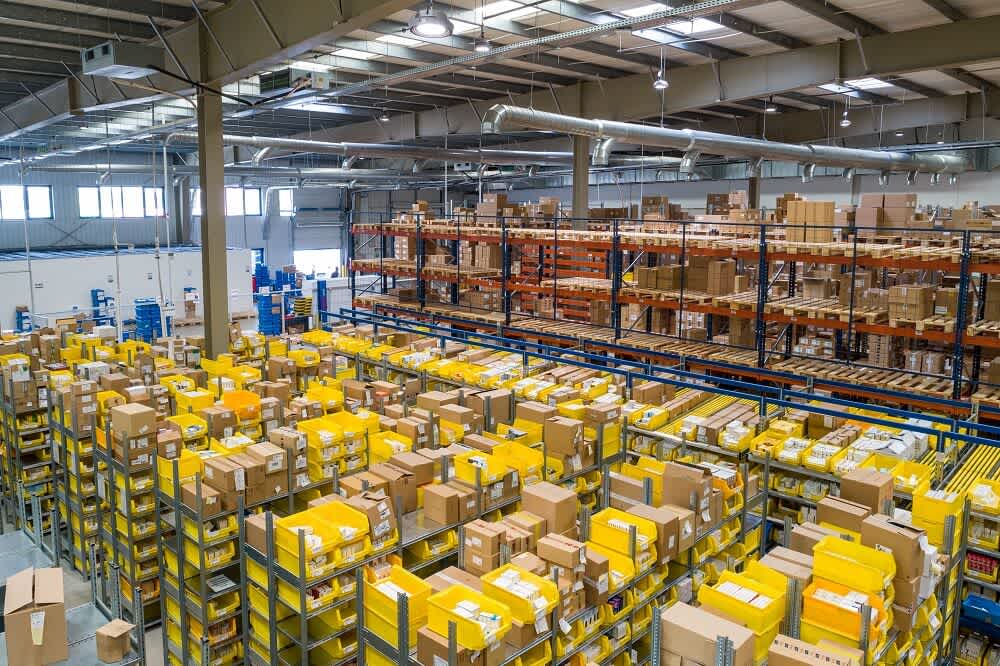
- Orders are routed to warehouses or suppliers
- Products are shipped and tracked until delivery
Behind the scenes, inventory management systems, payment gateways, and logistics networks work together to ensure a smooth experience.
Key Benefits of E-Commerce
E-commerce continues to grow because it offers clear advantages for both businesses and consumers.
Benefits for Businesses
- Lower operational costs compared to physical stores
- Scalability without heavy investment in real estate
- Data-driven insights into customer behavior
- 24/7 availability with automated sales processes
Benefits for Customers
- Convenience of shopping anytime, anywhere
- Wider product selection beyond local availability
- Price transparency and easy comparisons
- Personalized recommendations based on preferences
Essential Components of a Successful E-Commerce Store
Running a profitable e-commerce business requires more than listing products online. Critical components include:
- User-friendly website design with fast load times
- Mobile optimization for smartphones and tablets
- Secure payment systems to build trust
- Clear product descriptions and visuals
- Reliable shipping and return policies
When these elements align, customers are more likely to complete purchases and return in the future.
Current Trends Shaping E-Commerce
E-commerce is constantly evolving, driven by technology and changing consumer behavior.
- Mobile commerce growth as smartphones dominate shopping
- Social commerce through integrated shopping on social platforms
- AI-driven personalization for product recommendations
- Sustainable practices influencing buying decisions
- Faster fulfillment with same-day or next-day delivery
Businesses that adapt to these trends stay competitive in crowded digital markets.
Challenges in E-Commerce
Despite its advantages, e-commerce also presents real challenges:
- High competition and rising advertising costs
- Customer trust issues related to fraud and data privacy
- Logistics complexity, especially for cross-border shipping
- Cart abandonment due to poor checkout experiences
Addressing these issues requires continuous optimization and customer-centric strategies.
The Future of E-Commerce
The future of e-commerce points toward deeper personalization, immersive shopping experiences, and tighter integration between online and offline channels. Technologies like augmented reality, voice commerce, and automation will further blur the line between digital and physical retail.
Businesses that invest early in innovation, customer experience, and operational efficiency will be best positioned for long-term growth.
Frequently Asked Questions (FAQ)
1. Is e-commerce suitable for small businesses?
Yes, e-commerce allows small businesses to reach large audiences with relatively low startup costs compared to physical stores.
2. How long does it take to launch an e-commerce store?
Depending on complexity, a basic store can be launched in days, while custom platforms may take weeks or months.
3. What payment methods should an e-commerce site offer?
A mix of credit/debit cards, digital wallets, and local payment options improves conversion rates.
4. Can e-commerce work without holding inventory?
Yes, models like dropshipping and print-on-demand allow selling without storing products.
5. How important is customer support in e-commerce?
Strong customer support builds trust, reduces returns, and increases repeat purchases.
6. What role does data play in e-commerce success?
Data helps businesses understand customer behavior, optimize marketing, and improve product offerings.
7. Is e-commerce still growing globally?
Yes, global e-commerce continues to expand as internet access and digital payments increase worldwide.