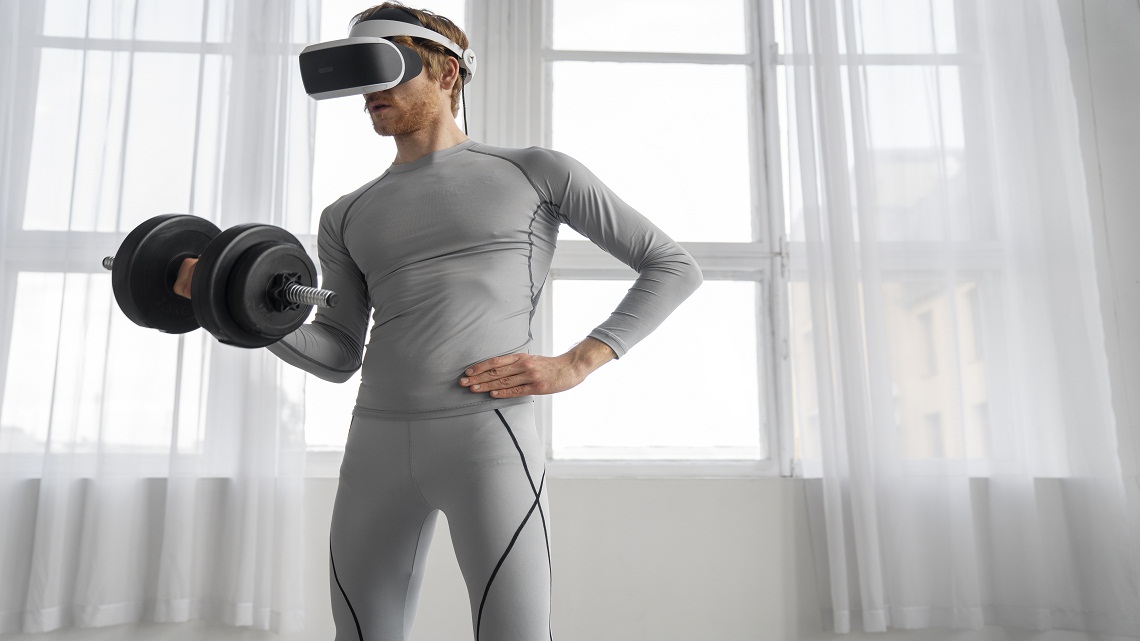
Technology has changed nearly every aspect of modern life, and fitness is no exception. Today, people don’t just exercise to feel fit — they track, analyse, and optimise every move. Among all workout styles, fitness HIIT training has seen the most transformation through tech innovation. From wearables and smart apps to AI-based coaching tools, technology now helps individuals monitor performance, adjust intensity, and achieve results faster than ever.
HIIT, or High-Intensity Interval Training, is built on precision — alternating intense bursts of exercise with short recovery phases. Technology plays a critical role in ensuring that these intervals are performed effectively, safely, and consistently. Whether you’re a professional athlete or someone working out at home, tech-driven insights can make your HIIT sessions more intelligent and impactful.
The Rise of Data-Driven Workouts
The concept of data-driven fitness has grown rapidly in recent years. Smartwatches, fitness trackers, and mobile apps now record everything from heart rate and calories to recovery time and sleep quality. This constant flow of information empowers individuals to train smarter rather than harder.
In fitness HIIT training, data is especially valuable. The intensity of HIIT depends on short, controlled peaks of effort. Without proper tracking, it’s difficult to know whether you’re truly hitting your target heart rate or resting enough between intervals. Wearables solve this problem by providing real-time feedback, allowing users to adjust instantly.
By viewing heart rate zones, you can ensure that your intervals reach 80–90% of your maximum heart rate — the optimal range for fat burning and endurance improvement. This level of precision was almost impossible to achieve before technology entered the fitness scene.
How Wearables Improve HIIT Efficiency
Modern wearables go far beyond counting steps. They now measure oxygen consumption (VO₂ max), stress levels, and even recovery readiness. These features help tailor HIIT workouts to individual needs and prevent overtraining.
Real-Time Heart Rate Monitoring
During HIIT, maintaining the correct heart rate range is essential. Devices like Apple Watch, Garmin, or Fitbit track real-time pulse changes, alerting you when to push harder or slow down.
Performance Feedback
Some advanced trackers analyse form and movement, providing instant feedback if your pace or posture falters. This helps prevent injuries and ensures each rep is effective.
Recovery Tracking
Post-workout recovery is as important as performance. Many wearables calculate “recovery time” based on heart rate variability and stress levels, suggesting when to rest or train again. This insight ensures that your next session is productive, not draining.
Sleep and Stress Correlation
HIIT can be demanding, and recovery quality directly affects performance. By analysing sleep patterns and stress levels, wearables help balance intensity and rest to maintain consistency over the long term.
Apps That Personalise HIIT Training
Mobile apps have taken fitness HIIT training to the next level by combining AI technology with customised coaching. Many apps now design routines based on your fitness level, preferences, and available equipment.
Adaptive Workouts
Apps like Freeletics, Nike Training Club, or Centr adjust difficulty dynamically. As your fitness improves, they automatically increase intensity or shorten rest intervals.
Virtual Coaching
AI-driven voice assistants provide real-time guidance during HIIT sessions. They count intervals, monitor rest periods, and correct pacing, ensuring a structured workout even without a trainer.
Community Engagement
Gamified leaderboards and online challenges help maintain motivation. Competing with friends or other users creates accountability, turning individual workouts into social experiences.
Progress Analytics
Detailed summaries, charts, and reports track improvements over time — from speed and endurance to heart rate recovery. These insights help users identify progress and areas that need attention.
The Role of Smart Equipment in HIIT
Beyond wearables and apps, smart equipment has made HIIT more engaging and measurable. Home fitness setups now include connected treadmills, bikes, and resistance tools that sync with mobile devices.
Interactive Workouts
Connected machines display live metrics like distance, calories, and heart rate. Some even integrate with streaming platforms, offering on-demand HIIT classes with virtual trainers.
AI-Powered Adjustments
Smart resistance bands and weights automatically adjust tension based on your effort. This ensures you remain in the optimal training zone throughout your workout.
Integrated Ecosystems
Many devices now connect through a single dashboard, syncing data from your wearable, app, and equipment. This unified approach gives a 360-degree view of performance and progress.
Benefits of Tracking HIIT Progress
Monitoring performance goes beyond numbers — it helps sustain motivation and ensures long-term improvement. Here’s how tracking enhances results:
-
Improves consistency: Seeing measurable progress keeps motivation high.
-
Prevents burnout: Tracking recovery helps avoid overtraining and fatigue.
-
Boosts accuracy: Ensures effort levels are within the ideal range for fat burn and endurance.
-
Supports goal-setting: Data enables you to set realistic, measurable fitness goals.
-
Builds accountability: Sharing results with friends or trainers fosters discipline.
By combining technology and discipline, you can turn every HIIT session into a calculated step toward stronger fitness outcomes.
Common Mistakes When Using Fitness Tech
While technology enhances HIIT training, misuse can reduce its effectiveness. Here are a few common errors to avoid:
1. Over-Reliance on Numbers
It’s easy to get fixated on calories or heart rate readings, forgetting that your body’s sensations matter more. Always balance data with physical awareness.
2. Ignoring Recovery Warnings
When devices recommend rest, they base it on real physiological data. Ignoring these alerts may lead to overtraining or injury.
3. Poor Device Calibration
If your tracker or heart rate monitor isn’t properly calibrated, the data can be misleading. Always ensure devices are fitted correctly and updated regularly.
4. Using Generic Workouts
Preloaded workout plans may not suit your level or goals. Personalisation is key to effective HIIT performance.
Balancing Data with Intuition
Technology should guide, not dictate. HIIT remains a physically demanding form of exercise, and personal awareness plays a vital role in success. Combining metrics with mindful training ensures both safety and progress.
Check in with your body:
-
Are you breathing too hard or feeling dizzy? Slow down.
-
Are your muscles sore beyond normal fatigue? Take an extra rest day.
-
Do you feel strong and focused? Push harder in the next interval.
Learning to interpret both data and body feedback ensures longevity in your HIIT journey.
The Future of Tech in HIIT Training
As AI and biometrics advance, the future of HIIT will become even more precise. Upcoming technologies include motion sensors that detect form errors in real time, smart fabrics that measure muscle activation, and virtual coaches that adapt workouts based on daily readiness.
These innovations aim to make fitness HIIT training more personalised, efficient, and safe — transforming every session into a science-backed experience tailored to individual needs.
In Singapore, advanced gyms like TFX already integrate technology with professional coaching, offering HIIT sessions supported by performance tracking and real-time analytics. This combination helps members achieve measurable results while maintaining safety and motivation through expert supervision.
FAQs
Q. Do I need expensive gadgets to track my HIIT workouts?
Not necessarily. A simple smartwatch or mobile app can provide accurate tracking for most users. Start basic, then upgrade if needed.
Q. Can wearables really improve HIIT results?
Yes. Real-time feedback ensures you stay within target intensity zones, which is crucial for effective fat burning and cardiovascular gains.
Q. What’s the best metric to monitor during HIIT?
Heart rate zones and recovery time are the most valuable indicators. They show whether your effort and rest are balanced.
Q. Are HIIT tracking apps suitable for beginners?
Absolutely. Many apps customise intervals and difficulty levels based on your fitness data, making them beginner-friendly.
Q. How do I know if I’m overtraining?
Watch for consistent fatigue, declining performance, and poor sleep. If your device recommends rest, take it seriously.