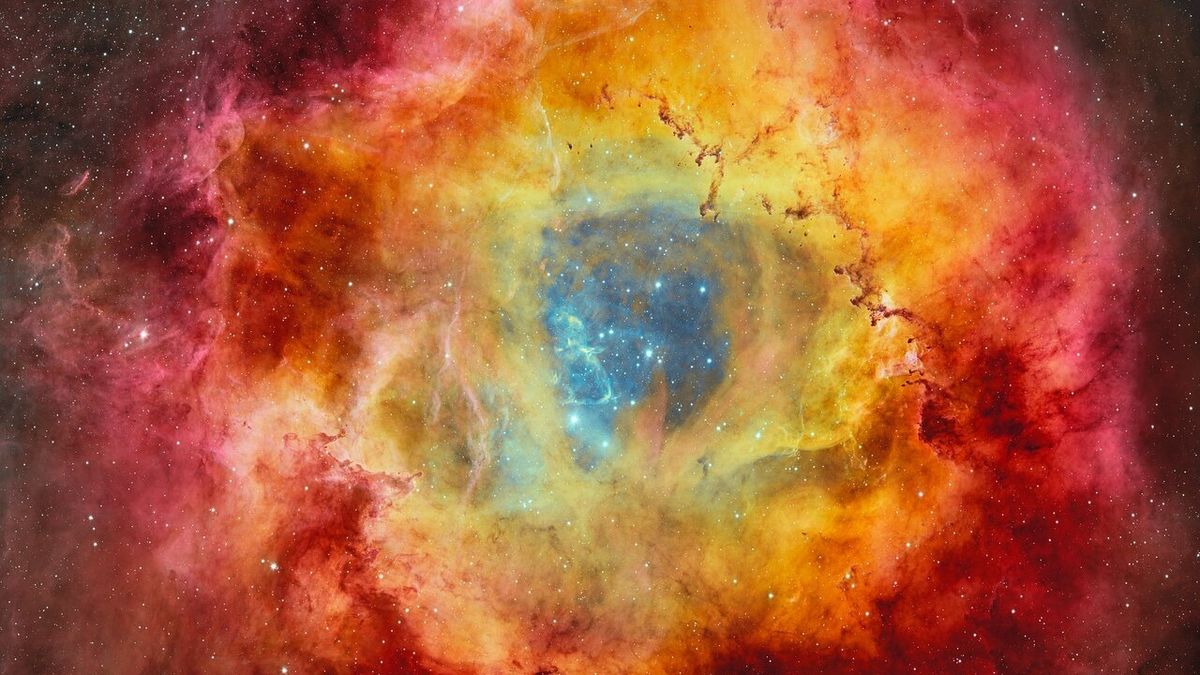
Introduction to Space
Space is the immense, seemingly infinite expanse that exists beyond Earth’s atmosphere. It is not empty in the true sense; rather, it contains stars, planets, dust, radiation, dark matter, and mysterious forces that shape the universe. For centuries, space has inspired curiosity, scientific inquiry, and philosophical reflection about humanity’s place in the cosmos.
What Is Space Made Of?
Although space appears dark and silent, it is composed of several key elements that define its structure and behavior.
Core Components of Space
-
Vacuum: Regions with extremely low particle density
-
Celestial bodies: Stars, planets, moons, asteroids, and comets
-
Interstellar matter: Gas and cosmic dust
-
Energy and radiation: Light, gamma rays, and cosmic background radiation
Together, these components interact through gravity and other forces to form galaxies and star systems.
Galaxies and the Structure of the Universe
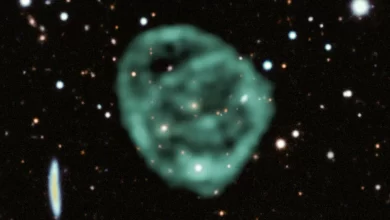
The universe is organized into vast systems known as galaxies, each containing billions of stars and planetary systems. Galaxies cluster together, forming large-scale cosmic structures that stretch across unimaginable distances.
Types of Galaxies
-
Spiral galaxies: Flat, rotating disks with arms
-
Elliptical galaxies: Rounded shapes with older stars
-
Irregular galaxies: Chaotic forms shaped by gravitational interactions
Our observable universe contains hundreds of billions of galaxies, many still beyond the reach of current technology.
Stars, Planets, and Cosmic Evolution
Stars are the engines of the universe. They form from clouds of gas and dust and produce energy through nuclear fusion. Over time, stars evolve, sometimes ending their lives as supernovae, neutron stars, or black holes.
Planetary Systems
Planets form from leftover material around young stars. These systems may include:
-
Rocky planets
-
Gas giants
-
Icy bodies and moons
The discovery of planets beyond our solar system has expanded the possibility that life could exist elsewhere in space.
Black Holes and Cosmic Mysteries
Among the most fascinating objects in space are black holes, regions where gravity is so strong that not even light can escape. They play a major role in galaxy formation and challenge our understanding of physics.
Other unresolved mysteries include:
-
Dark matter
-
Dark energy
-
The true size and fate of the universe
These unknowns continue to drive scientific exploration.
Human Exploration of Space
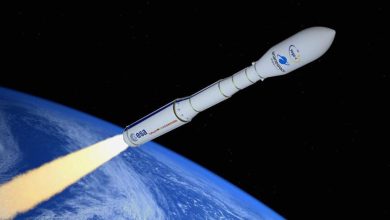
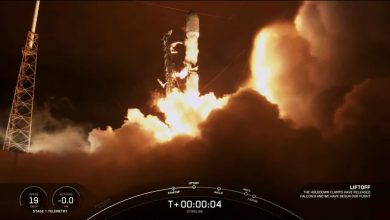
Humanity’s journey into space began with satellites and has grown to include space stations, robotic explorers, and deep-space missions. Space exploration has advanced communication, navigation, medicine, and materials science.
Key Goals of Space Exploration
-
Understanding the origins of the universe
-
Searching for extraterrestrial life
-
Expanding human presence beyond Earth
-
Protecting Earth from cosmic threats
The Future of Space Science
The future of space research lies in advanced telescopes, sustainable exploration, and international collaboration. Emerging technologies may allow humans to explore distant planets, mine asteroids, and establish long-term habitats beyond Earth.
Why Space Matters to Humanity
Space is not just a distant frontier; it directly influences life on Earth. Studying space helps scientists predict climate patterns, monitor natural disasters, and develop technologies that improve everyday life.
Understanding space also reshapes how humanity views itself—highlighting both our fragility and our potential.
Frequently Asked Questions (FAQ)
What is the difference between space and the universe?
Space refers to the vast expanse beyond Earth’s atmosphere, while the universe includes all space, time, matter, and energy.
Is space completely silent?
Yes, sound cannot travel in space because it lacks the medium needed for sound waves.
How cold is space?
The average temperature of space is about minus 270 degrees Celsius, just above absolute zero.
Can humans live in space long-term?
With advanced life-support systems, humans can live in space temporarily, but long-term habitation requires further technological development.
Are there limits to how far we can explore space?
Current technology limits exploration, but theoretical boundaries continue to expand as science advances.
Does space have an edge or boundary?
There is no confirmed edge to space; the observable universe is limited by how far light has traveled since the beginning of time.
Why is space exploration important for future generations?
It drives innovation, expands scientific knowledge, and may ensure humanity’s long-term survival beyond Earth.