
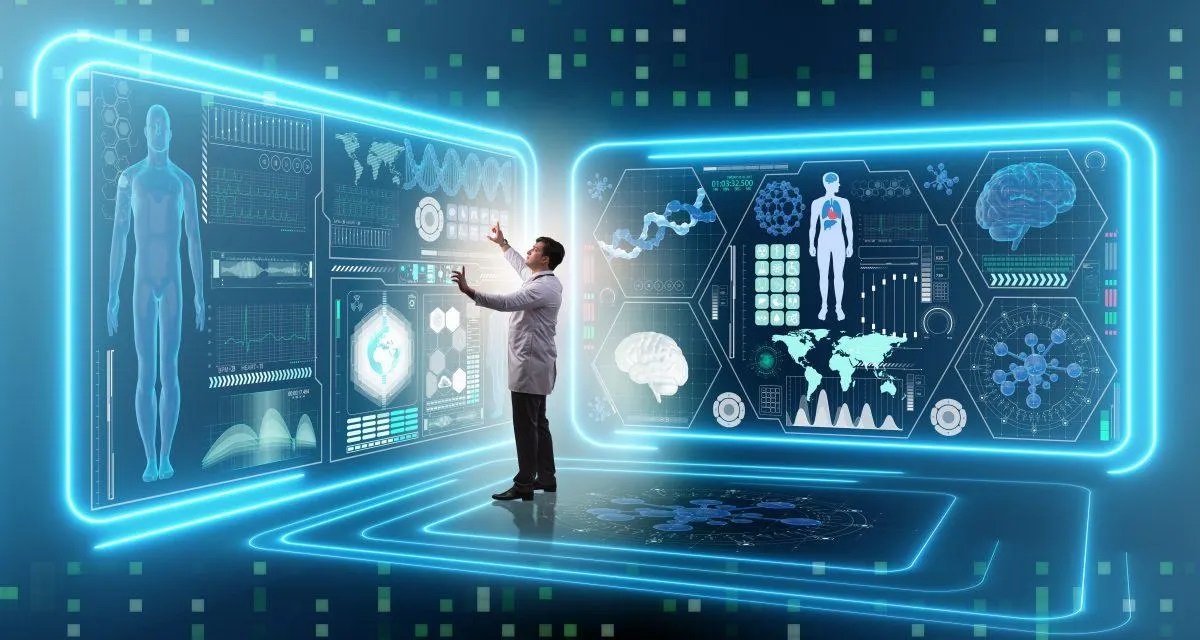
Technology has always reshaped how humans live, work, and interact, but Artificial Intelligence (AI) is accelerating this transformation at an unprecedented pace. Once confined to research labs and science fiction, AI is now embedded in daily routines—often invisibly—making decisions, offering recommendations, and optimizing systems around us. As AI continues to evolve, its influence on everyday life will become deeper, more personal, and more impactful.
Understanding Artificial Intelligence in Simple Terms
Artificial Intelligence refers to computer systems designed to perform tasks that typically require human intelligence. These include learning from data, recognizing patterns, understanding language, and making decisions.
Modern AI is largely driven by:
- Machine learning, which enables systems to improve through experience
- Natural language processing, allowing machines to understand and generate human language
- Computer vision, helping systems interpret visual information
Together, these capabilities form the backbone of many technologies people use daily.
AI at Home: Smarter Living Spaces
AI has quietly transformed homes into adaptive environments. Smart assistants, thermostats, and security systems learn user preferences and adjust automatically.
Key benefits include:
- Personalized comfort, such as lighting and temperature that adapts to routines
- Energy efficiency, reducing unnecessary power consumption
- Enhanced security, with real-time monitoring and intelligent alerts
As AI models become more context-aware, homes will increasingly anticipate needs rather than react to commands.
Healthcare Powered by Intelligent Systems
In healthcare, AI is moving beyond administrative support into diagnosis and treatment assistance. Intelligent systems can analyze vast amounts of medical data faster than humans, helping clinicians make more informed decisions.
Notable applications include:
- Early detection of diseases through pattern recognition in scans and reports
- Virtual health assistants for appointment scheduling and symptom checking
- Predictive analytics to identify patient risks before complications arise
These advancements promise more accessible, efficient, and proactive healthcare.
AI in Transportation and Mobility
Transportation is undergoing a significant shift due to AI-driven automation. From traffic management systems to self-driving technology, AI improves both safety and efficiency.
Current and emerging uses include:
- Real-time traffic optimization to reduce congestion
- Driver-assist systems that enhance road safety
- Autonomous vehicles capable of navigating complex environments
While fully autonomous transport is still evolving, AI is already making daily commutes smarter and safer.
Transforming Education Through Personalization
Education is another area where AI is redefining experiences. Intelligent tutoring systems adapt content to individual learning styles, helping students progress at their own pace.
AI-driven education offers:
- Personalized learning paths tailored to strengths and weaknesses
- Automated grading and feedback for faster evaluation
- Data-driven insights to support educators in curriculum planning
This shift supports more inclusive and effective learning environments.
Ethical and Social Considerations
Despite its benefits, AI raises important ethical questions. Issues like data privacy, algorithmic bias, and workforce displacement require careful attention.
Key concerns include:
- Ensuring transparency in AI decision-making
- Protecting personal data from misuse
- Preparing the workforce for AI-driven job changes
Responsible development and regulation will play a critical role in ensuring AI benefits society as a whole.
What the Future Holds
AI will continue blending into daily life, becoming less noticeable but more influential. The future points toward systems that are context-aware, emotionally intelligent, and deeply integrated into human activities. Success will depend not only on technological progress but also on ethical design and human-centered implementation.
Frequently Asked Questions (FAQ)
1. How is AI different from traditional computer programs?
Traditional programs follow fixed rules, while AI systems learn from data and adapt their behavior over time.
2. Will AI replace human jobs completely?
AI is more likely to transform jobs rather than eliminate them entirely, creating new roles while automating repetitive tasks.
3. Is AI safe to use in everyday life?
When developed responsibly and regulated properly, AI can be safe and highly beneficial, though risks must be managed.
4. How does AI learn from data?
AI uses algorithms that identify patterns in large datasets, adjusting internal parameters to improve accuracy.
5. Can AI make independent decisions?
AI can make decisions within defined limits, but it does not possess human judgment or consciousness.
6. What skills are important in an AI-driven future?
Critical thinking, creativity, emotional intelligence, and digital literacy will be increasingly valuable.
7. How can individuals prepare for increased AI use?
Staying informed, learning new technologies, and developing adaptable skills can help individuals thrive alongside AI.