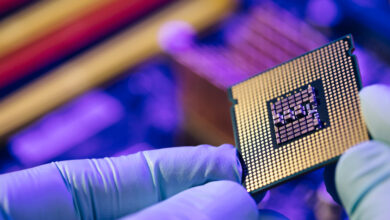
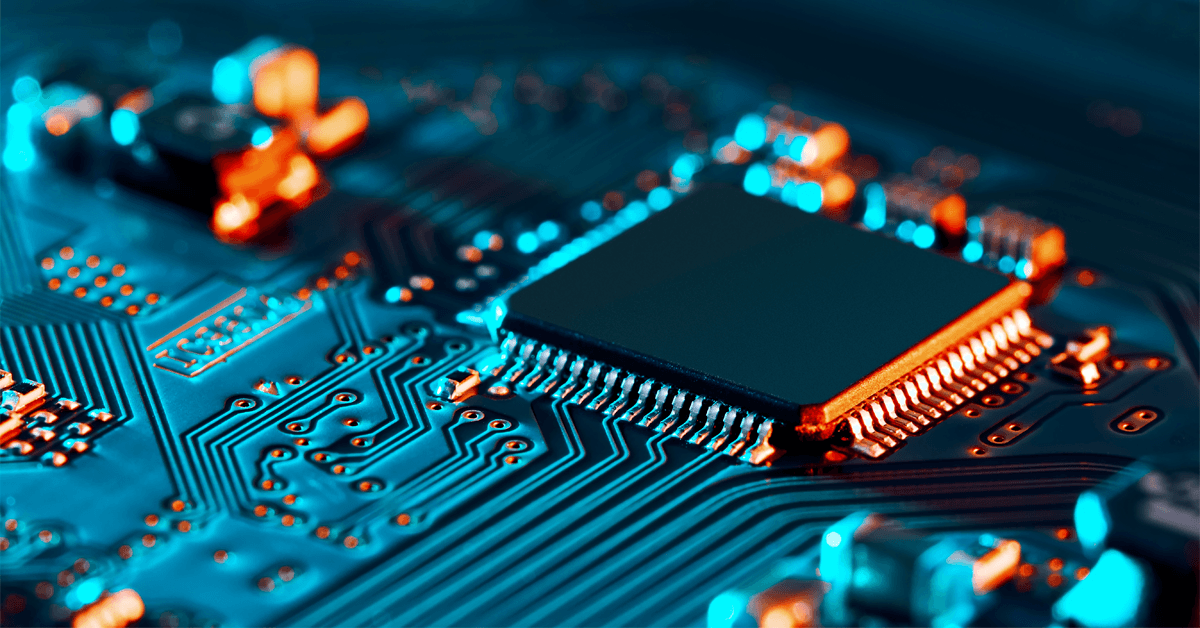
Electronics is the branch of science and engineering that deals with the controlled flow of electrons to design, build, and operate devices that power everyday life. From smartphones and laptops to medical equipment and industrial automation, electronics quietly drives innovation across nearly every sector.
Understanding electronics is no longer limited to engineers. In today’s digital world, a basic grasp of how electronic systems work helps consumers, students, and professionals make better decisions and adapt to rapid technological change.
What Is Electronics?
Electronics focuses on circuits that use active components such as transistors, diodes, and integrated circuits to manipulate electrical signals. Unlike basic electrical systems that deliver power, electronics processes information, enabling communication, computation, and control.
At its core, electronics is built around:
-
Signal processing
-
Power regulation
-
Data transmission
-
System control
These functions allow devices to respond intelligently to user input and environmental changes.
Core Components of Electronic Systems
Every electronic device relies on a combination of essential components working together.
Passive Components
These components do not amplify signals but shape and stabilize circuits.
-
Resistors – Control current flow
-
Capacitors – Store and release electrical energy
-
Inductors – Manage magnetic fields and filtering
Active Components
Active elements control, amplify, or switch electrical signals.
-
Transistors – The building blocks of modern electronics
-
Diodes – Allow current to flow in one direction
-
Integrated Circuits (ICs) – Compact chips containing thousands to billions of components
Power Sources
Electronic systems depend on stable energy supply:
-
Batteries
-
Power adapters
-
Renewable sources paired with regulators
Major Branches of Electronics
Electronics is a broad discipline with several specialized areas.
Consumer Electronics
Designed for everyday use, this category includes:
-
Smartphones and tablets
-
Televisions and audio systems
-
Wearable devices and smart appliances
Industrial Electronics
Used in manufacturing and infrastructure:
-
Automation controllers
-
Robotics systems
-
Power inverters and motor drives
Communication Electronics
Focused on transmitting information efficiently:
-
Wireless networks
-
Satellite systems
-
Radio-frequency circuits
Medical Electronics
Critical for healthcare and diagnostics:
-
Imaging equipment
-
Patient monitoring systems
-
Implantable medical devices
How Electronics Shapes Daily Life
Electronics influences how people work, communicate, and live. Its impact is visible in:
-
Smart homes that optimize energy use
-
Transportation systems with advanced safety features
-
Healthcare innovations improving diagnosis and treatment
-
Education tools enabling remote learning and collaboration
Without electronics, modern digital society would simply not function.
Emerging Trends in Electronics
The electronics industry continues to evolve at a rapid pace, driven by new demands and technological breakthroughs.
Key trends shaping the future include:
-
Miniaturization of components for compact devices
-
Energy-efficient designs to reduce power consumption
-
Flexible electronics for wearable and foldable products
-
Artificial intelligence integration at the hardware level
-
Internet of Things (IoT) connectivity across devices
These advancements are pushing electronics beyond traditional boundaries.
Skills and Knowledge in Electronics
Learning electronics develops both technical and analytical abilities. Important skills include:
-
Circuit analysis and troubleshooting
-
Understanding schematics and datasheets
-
Programming embedded systems
-
Practical prototyping and testing
These skills are valuable across engineering, research, and technology-driven industries.
The Future of Electronics
As demand grows for smarter, faster, and more sustainable systems, electronics will continue to be a cornerstone of innovation. Developments in semiconductors, materials science, and system integration promise devices that are more powerful yet more efficient.
Electronics is not just about hardware—it is about enabling possibilities.
Frequently Asked Questions (FAQ)
What is the difference between electrical and electronics engineering?
Electrical engineering mainly focuses on power generation and transmission, while electronics engineering deals with signal processing, control, and information systems.
Why are semiconductors important in electronics?
Semiconductors enable precise control of electrical signals, making modern computing and communication devices possible.
How does electronics contribute to energy efficiency?
Advanced electronic circuits regulate power usage, reduce waste, and enable smart energy management systems.
Is electronics hard to learn for beginners?
With structured learning and hands-on practice, beginners can grasp electronics concepts progressively and effectively.
What role does electronics play in renewable energy systems?
Electronics manages power conversion, storage, and grid integration in solar, wind, and battery-based systems.
How is electronics used in artificial intelligence?
Specialized electronic hardware accelerates data processing, enabling faster and more efficient AI applications.
Will electronics continue to create new job opportunities?
Yes, ongoing innovation in electronics drives demand for skilled professionals across multiple industries.
 Lina Billy